The Challenge of Organic Waste Management
Picture this: your city grapples with tons of organic waste daily. According to the World Bank, cities produce over 1.3 billion tons of waste every year, and a significant chunk of that is organic. So, how can we mitigate this problem? Enter the organic waste composting machine, an essential innovation for waste management. But why should you rely on owc machine manufacturers to guide your solution?

In my experience, traditional waste management systems often fail to address the nuances of organic waste disposal. Many end up in landfills, where they contribute to methane emissions—yikes! The cost of neglecting efficient composting systems isn’t just environmental; it can dent your wallet, too. As businesses seek sustainable solutions, it’s crucial to understand the hidden costs of not adopting advanced composting technologies. Let’s dive deeper into what effective organic waste handling looks like.
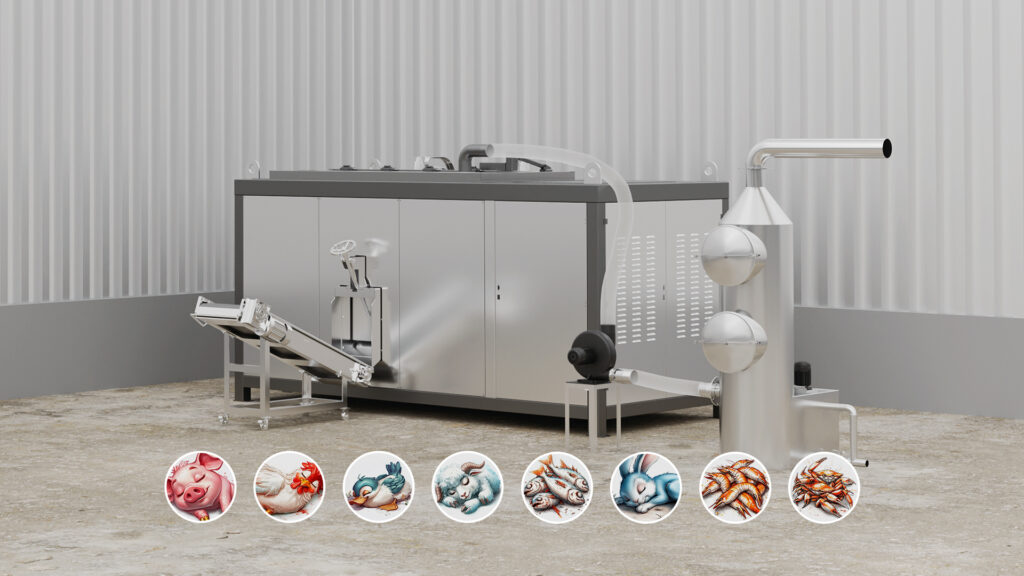
Understanding the Impact of Modern Composting Solutions
A modern organic waste composting machine offers numerous benefits, from efficiency in processing waste to reducing the carbon footprint of your operation. The integration of smart technology helps lessen traditional flaws commonly associated with composting methods. I can’t stress enough how these machines transform the way we think about waste. By processing organic materials in real-time, we won’t just reduce waste; we create valuable compost. Isn’t that a win-win?
How Do These Machines Work?
Organic waste composting machines utilize innovative methods such as aerobic composting and thermophilic processes. These techniques allow for accelerated composting cycles and improved material breakdown. When using a reliable organic waste composting machine manufacturer, you can expect engineered designs to fit varying capacities while maintaining optimal performance. And let me tell you, the convenience is remarkable.
Looking Ahead: The Future of Composting
As we shift gears into the future of waste management, let’s explore how evolving technologies will play a pivotal role. With recent advancements, composting now utilizes AI and automated monitoring, promising not just sustainability but also enhanced reliability in waste processing. These improvements reduce human error and optimize throughput, ensuring your investment pays off. Who would’ve thought composting could be this exciting?
What Are the Trends Shaping Tomorrow’s Waste Management?
The future is bright for waste solutions. I see a growing trend toward community composting initiatives, facilitated by machines tailored for smaller operations or even home use. This will empower individuals to participate in sustainability wholeheartedly—talk about grassroots innovation! With the landscape continuously evolving, it’s essential to stay informed on eco-friendly choices that streamline operations and enhance community involvement.
In summary, transitioning to modern organic waste composting machines is not merely a cost-effective decision; it’s a vital step towards nurturing our environment. It’s time for businesses and communities to embrace these intelligent solutions to mitigate waste effectively. As we continue adapting and innovating, I believe the collective impact will be both measurable and transformative. Each small effort counts, especially when companies like Cason lead the charge in delivering exceptional composting technology.