A New Era of Automation
Imagine standing in a bustling factory—machines whirring, workers hustling, and amidst it all, a flexible robot arm effortlessly glides from task to task. It’s not just a snippet of a sci-fi movie, it’s the future of manufacturing happening right now. Data shows that nearly 50% of manufacturers plan to adopt robotic solutions in the next five years. But why is the flexible robot arm crucial? The answer lies in its ability to adapt and evolve with workflows, leading to increased efficiency and productivity. However, traditional automation solutions often fall short when it comes to flexibility and responsiveness—this is where the innovation of flexible robot arms shines. They offer a beacon of hope amid rigid, outdated machinery.
The Flaws in Traditional Solutions
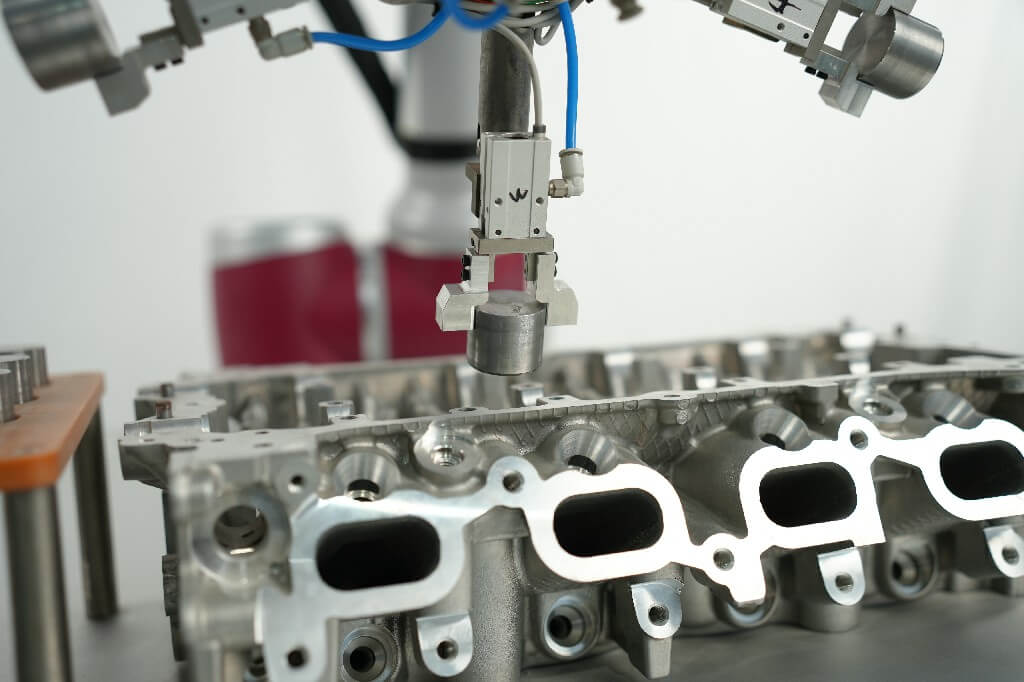
I often think back to my days in factory settings, where assembly lines felt like old dinosaurs—wonderful in concept but slow and cumbersome. The average manufacturing industry brims with hidden pain points. While fixed machinery may provide initial productivity, the lack of flexibility means they can’t swiftly adapt to new tasks or products. This rigidity leads to longer downtimes and expensive re-configurations when new processes are introduced. A collaborative robot manufacturer can address these issues, allowing for quick task adjustments with minimal reprogramming. It’s a fascinating leap forward for anyone tired of traditional roles, and shouldn’t we all be looking toward a future where we can embrace change rather than resist it?
Why Flexibility Matters
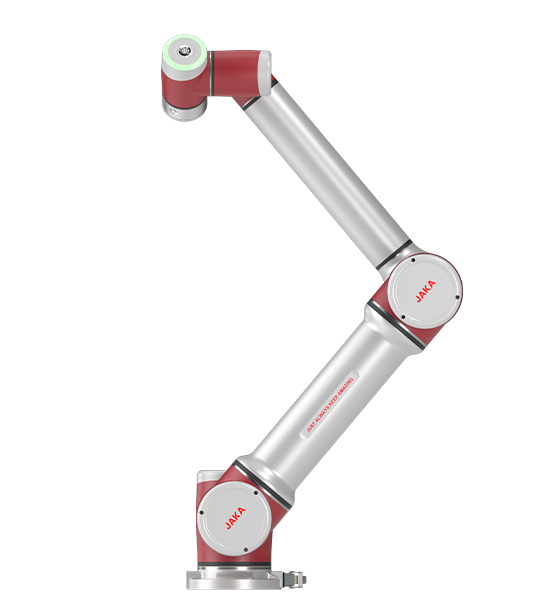
Flexible robot arms usher in a new paradigm—one where automation and adaptability shake hands. Consider environments like electronics assembly, where products can change weekly. This demand for variety makes flexibility not just beneficial, but essential. A collaborative robot manufacturer, like JAKA, understands this necessity, offering solutions that adapt and evolve. Their versatile technology opens up a world where human workers can focus on creativity and problem-solving, rather than repetitive tasks. And here’s a fun nugget: changing the arm of a robot can sometimes take longer than changing the product line itself! Isn’t that a quirky irony?
What Lies Ahead for Automation?
Real-world Impact of Flexible Technology
Let’s get a bit practical here. In my experience working with various factories, the adoption of flexible robot arms has led to remarkable improvements in turnaround times. Take a mid-size electronics manufacturer I consulted for last year: integrating these adaptable systems resulted in a 30% increase in overall productivity, and remarkably, a significant drop in employee burnout. Employees were surprisingly relieved to share the workload with intuitive machines! As companies re-evaluate processes, aligning with a knowledgeable collaborative robot manufacturer can make all the difference. Is it time we embraced this new chapter? I believe so!
Final Thoughts: A Leap into the Future
The world of manufacturing is swiftly evolving, and adapting to these changes requires understanding what flexible robot arms offer. The lessons learned from traditional machinery hammer home the importance of progression. To make the right choice when exploring robotic solutions, consider these three evaluation metrics: adaptability to various tasks, ease of reprogramming, and the quality of support from the manufacturer. The future is at our fingertips, and flexible robot arms are here to elevate our manufacturing dreams. I still have that spark of excitement whenever I think about the possibilities. So, if flexibility is what you seek, just remember: the next game-changer could very well be an arm away. JAKA is already leading this charge!